

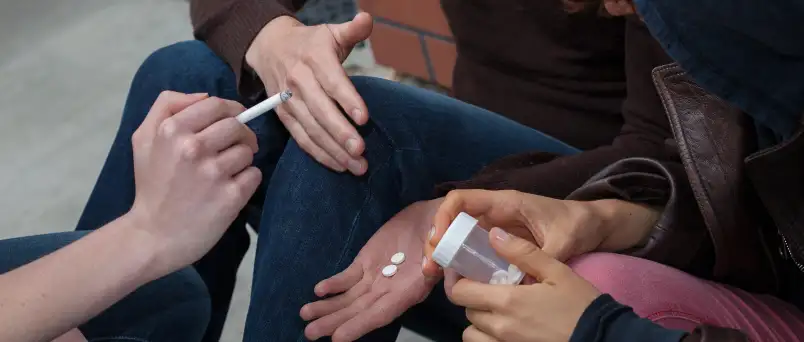
The use of drugs by students is an issue that has been growing in importance around the world. Students are often influenced by peer pressure, academic pressure, curiosity, emotional stress and other factors to experiment with drugs. Although drug use may appear harmless at first glance, it can have serious mental, physical, emotional, or social consequences which affect the student’s future and present. Understanding the dangers of drug use is essential to prevention and recovery.
1. Drop in Academic Performance
Poor academic performance is one of the immediate dangers associated with drug use. Drugs can affect memory, concentration and decision-making abilities. Students who are drug users:
-
Lose focus during classes
-
Missed lectures and assignments
-
Grades that are declining
-
Studying becomes boring
This can eventually lead to failure in school, suspension or even dropping out.
2. Mental Health Problems
The use of drugs is strongly linked to mental disorders. Substance abuse can cause anxiety, depression and mood swings in students. Long-term drug abuse can increase your risk of:
-
Depression and anxiety disorders
-
Panic attacks
-
Hallucinations and psychosis
-
Self-harm and suicidal thoughts are more likely to occur
Drugs can worsen psychological and emotional problems instead of reducing stress.
3. Physical Health Risks
Students’ developing bodies and brains can be severely damaged by drugs. Common physical health dangers include:
-
Immune system weakening
-
Liver, heart, and lung damage
-
Sleep disorders and fatigue
-
Sudden weight gain or loss of appetite
Overdoses can be deadly and may require immediate medical attention.
4. Addiction and Dependency
What begins as an experiment can quickly become an addiction. The brain development of students makes them particularly vulnerable. Addiction can lead to:
-
Loss of Self-Control
-
Strong cravings, withdrawal symptoms
-
Use of substances to deal with emotions
-
Difficulty in quitting without professional assistance
Addiction can affect a student’s health, education and relationships.
5. Behavior and Discipline Issues
Drug abuse can lead to poor behavior and judgment. Students may:
-
Take aggressive or risky actions
-
Take part in violence or fights
-
You can break school rules or college rules
-
You may face disciplinary action or legal trouble
This type of behavior can harm a student’s reputation and hinder their future.
6. Stressed Family and Social Relations
Distance between families and students is caused by substance abuse. Communication is weakened, trust breaks down and conflicts rise. Students who use drugs may:
-
You may isolate yourself from your loved ones
-
Healthy friendships are lost
-
Build relationships with negative peers
Drug use can weaken family and social connections, which are vital for emotional stability.
7. The Legal Consequences of a Risky Lifestyle
Students who abuse drugs are more likely than other students to engage in dangerous activities, such as driving recklessly, engaging in unsafe sexual behavior or criminal activity. This can lead to:
-
Accidents and injuries
-
Arrests or legal cases
-
Permanent records affecting career prospects
Legal consequences can cause long-term barriers to education and employment.
8. Impact on future career and life goals
The use of drugs can ruin a student’s hopes and dreams. Addiction affects discipline, consistency, and responsibility–qualities essential for success. Students who are addicted to drugs or alcohol miss out on:
-
Higher education
-
Scholarships
-
Job growth and career development
Students can be affected by the long-term effects of drug abuse well into adulthood.
Prevention and Support are Key
To prevent drug use in students, it is important to have open communication and support early. Working together, educational institutions, families and healthcare professionals can:
-
Students should be educated about the dangers of drugs
-
Encourage healthy coping mechanisms
-
Counseling and mental health support
-
When needed, offer timely professional treatment
The conclusion of the article is:
Students who use drugs are not only a problem for themselves, but also a health and social issue with serious consequences. The dangers of drug use are severe and real. They range from academic failure, mental health issues and addiction to legal troubles. Early awareness, professional guidance, and family support can help students build a successful, healthy future.
2 Comments
by Shelly Moore
Et harum quidem rerum facilis est et expedita distinctio. Nam libero tempore, cum soluta nobis est eligendi optio, cumque nihil impedit, quo minus id, quod maxime placeat, facere possimus, omnis voluptas assumenda est, omnis dolor repellendus. Temporibus autem quibusdam et aut officiis debitis aut rerum necessitatibus saepe eveniet, ut et voluptates repudiandae sint et molestiae non recusandae. Itaque earum rerum hic tenetur a sapiente delectus, ut aut reiciendis voluptatibus maiores alias consequatur aut perferendis doloribus asperiores repellat.
by Shelly Moore
Itaque earum rerum hic tenetur a sapiente delectus, ut aut reiciendis voluptatibus maiores alias consequatur aut perferendis doloribus asperiores repellat.