
SAMARPAN DE-ADDICTION AND REHABILITATION CENTRE Plot No.-5, Khasra No.-137, Near Bharat City, Faruk Nagar Road, Ghaziabad, Uttar Pradesh – 201003 📞 Call for Directions & Admission: 9355618709 🕒 24/7 Medical Support Available 🔹 Short Location Line (Top Bar / Footer) 📍 Near Bharat City, Faruk Nagar Road, Ghaziabad | 📞 9355618709 🔹 Google Map Description (SEO Friendly) Samarpan De-Addiction and Rehabilitation Centre is conveniently located near Bharat City on Faruk Nagar Road, Ghaziabad, making it easily accessible for patients and families from Ghaziabad and nearby areas. 🔹 CTA Line Visit Us for Confidential Consultation & Recovery Support
Subtitle

Healing Begins with Care & Compassion

Samarpan is a trusted de-addiction and rehabilitation centre in Ghaziabad offering personalized, medically supervised treatment in a safe and supportive environment. Your journey to recovery starts here.

    Treatment Programs

    Subtitle

    Other Facilities & Services

    At SAMARPAN DE-ADDICTION AND REHABILITATION CENTRE, Ghaziabad, we believe that successful recovery requires more than just treatment. Our additional facilities and support services are designed to ensure personalized care, family involvement, and long-term recovery.

    Subtitle

    About Center

    SAMARPAN DE-ADDICTION AND REHABILITATION CENTRE, Ghaziabad ek trusted aur compassionate healthcare centre hai jo alcohol aur drug addiction se joojh rahe individuals ko safe, structured aur supportive environment provide karta hai.

    Subtitle

    Get the Atmosphere Of
    Awakening

    Our patients are staying at the spot that in a unique way inspires the confidence in themselves, in their strength, and in the effective healing.

    More About Us

    News & Tips

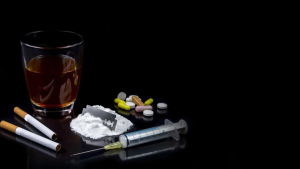
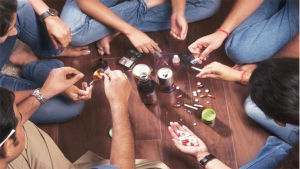
    Dangers That Students Face When They Use Drugs Drug use among students is a growing concern worldwide. Academic pressure, peer influence, curiosity, stress, and emotional challenges often push young individuals toward experimenting with drugs. While it may seem harmless at first, drug use can lead to serious physical, mental, emotional, and social consequences that affect a student’s present and future. Understanding these dangers is the first step toward prevention and recovery. 1. Decline in Academic Performance One of the most immediate dangers of drug use among students is poor academic performance. Drugs affect concentration, memory, and decision-making skills. Students who use drugs often: Lose focus during classes Miss lectures and assignments Experience declining grades Lose motivation to study Over time, this can lead to academic failure, suspension, or even dropping out of school or college. 2. Mental Health Problems Drug use has a strong connection with mental health disorders. Many students experience anxiety, depression, mood swings, and emotional instability due to substance abuse. Long-term drug use can increase the risk of: Depression and anxiety disorders Panic attacks Psychosis and hallucinations Increased risk of self-harm or suicidal thoughts Instead of reducing stress, drugs often worsen emotional and psychological problems. 3. Physical Health Risks Drugs can cause severe damage to a student’s developing body and brain. Common physical health dangers include: Weakened immune system Liver, heart, and lung damage Sleep disorders and fatigue Loss of appetite or sudden weight changes Some drugs can also lead to overdose, which may be life-threatening and require emergency medical care. 4. Addiction and Dependency What starts as experimentation can quickly turn into addiction. Students are especially vulnerable because their brains are still developing. Addiction leads to: Loss of self-control Strong cravings and withdrawal symptoms Dependence on substances to cope with emotions Difficulty quitting without professional help Addiction can take over a student’s life, affecting health, education, and relationships. 5. Behavioral and Discipline Issues Drug use often leads to behavioral problems and poor judgment. Students may: Engage in aggressive or risky behavior Get involved in fights or violence Break school or college rules Face disciplinary actions or legal trouble Such behavior can damage a student’s reputation and future opportunities. 6. Strained Family and Social Relationships Substance abuse creates distance between students and their families. Trust breaks down, communication weakens, and conflicts increase. Drug-using students may: Isolate themselves from loved ones Lose healthy friendships Develop relationships with negative peer groups Strong family and social bonds are essential for emotional stability, and drug use weakens these connections. 7. Risky Lifestyle and Legal Consequences Students who use drugs are more likely to engage in risky activities such as unsafe driving, unsafe sexual behavior, or criminal acts. This can result in: Accidents and injuries Legal cases or arrests Permanent records affecting career prospects Legal consequences can create long-term barriers in education and employment. 8. Impact on Future Career and Life Goals Drug use can destroy a student’s dreams and ambitions. Addiction affects discipline, consistency, and responsibility—qualities essential for success. Many students lose opportunities for: Higher education Scholarships Jobs and professional growth The long-term impact of drug abuse can follow students well into adulthood. Prevention and Support Are Key Preventing drug use among students requires awareness, open communication, and early support. Educational institutions, families, and healthcare professionals must work together to: Educate students about drug dangers Encourage healthy coping mechanisms Provide counseling and mental health support Offer timely professional treatment when needed Conclusion Drug use among students is not just a personal issue—it is a serious health and social concern with long-lasting consequences. From academic failure and mental health problems to addiction and legal trouble, the dangers are real and severe. Early awareness, family support, and professional guidance can protect students and help them build a healthy, successful future. If you or someone you know is struggling with substance abuse, seeking professional help early can make all the difference. 🔑 SEO Keywords Used: Dangers of Drug Use Among Students, Drug Addiction in Students, Effects of Drugs on Students, Student Substance Abuse, Drug Awareness for Students
    Dangers That Students Face When They Use Drugs
    Drug use among students is a growing concern worldwide. Academic pressure, peer influence, curiosity, stress, and emotional challenges often push young individuals toward experimenting with...
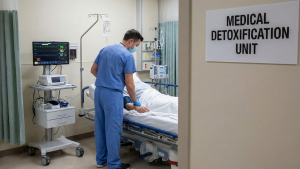
    Detoxification, commonly known as detox, is the first and most important step in the addiction recovery journey. Many people want to quit alcohol or drugs but are unaware of what detox truly means and why it is essential for recovery. Understanding detox helps individuals and families take the right step toward a healthier, addiction-free life. What Does Detox Mean? Detox is a medical process that removes harmful substances like alcohol and drugs from the body. When someone stops using addictive substances, the body and brain need time to adjust. During this phase, withdrawal symptoms may occur, which can range from mild discomfort to serious medical complications. A professional detox program ensures that this process is handled safely, comfortably, and under expert medical supervision. Why Detox Is Necessary for Recovery Addiction affects both the body and the mind. Detox helps stabilize physical health so that further treatment becomes effective. Without detox, therapy and rehabilitation may not deliver long-term results. Detox helps by: Eliminating toxins from the body Reducing withdrawal symptoms Restoring physical balance Preparing the mind for counseling and therapy Common Withdrawal Symptoms During Detox Withdrawal symptoms depend on the type of substance, duration of use, and individual health condition. Common symptoms include: Anxiety and restlessness Sweating and tremors Nausea and vomiting Sleep disturbances Mood swings and irritability In severe cases, symptoms like seizures or hallucinations may occur, making medical detox essential. Medical Detox vs. Detox at Home Medical Detox Medical detox is conducted in a professional rehabilitation or healthcare center. It includes: 24/7 medical supervision Medications to ease withdrawal symptoms Emotional and psychological support A safe and controlled environment Detox at Home Detoxing at home without medical support can be dangerous and may increase the risk of complications and relapse. Medical detox is always the safer and more effective option. How Detox Helps Start the Recovery Journey Detox clears the body, but recovery continues with structured treatment. After detox, individuals are better prepared to participate in: Individual and group counseling Behavioral therapy (CBT) Relapse prevention programs Family counseling and support This comprehensive approach builds a strong foundation for long-term sobriety. Mental and Emotional Benefits of Detox Detox is not only physical—it also supports emotional healing. Benefits include: Improved mental clarity Reduced cravings Emotional stability Increased motivation to recover A successful detox often gives individuals the confidence and strength to continue their recovery journey. When Should Someone Consider Detox? Detox is recommended if a person: Cannot stop substance use on their own Experiences withdrawal symptoms Uses alcohol or drugs regularly Has tried quitting but relapsed Early detox intervention prevents serious health risks and improves recovery outcomes.
    Learn the Detox Meaning and Start Recovering
    Detoxification, commonly known as detox, is the first and most important step in the addiction recovery journey. Many people want to quit alcohol or drugs...
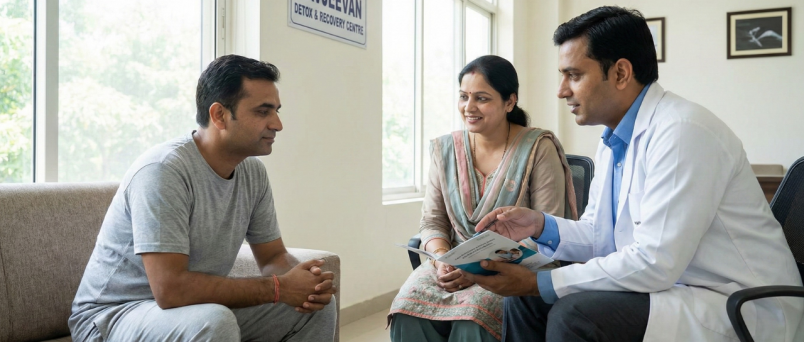
    How Rehabilitation & Recovery Go Hand-in-Hand
    Addiction is not just a habit—it is a complex medical and psychological condition that affects the body, mind, and emotions. True healing does not happen...
    Subtitle

    We Accept Insurance:

    Some description text for this item