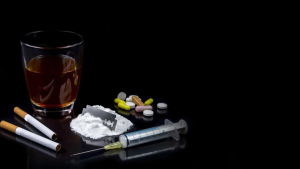
Drug addiction is a serious and growing problem that affects individuals, families, and society as a whole. It impacts physical health, mental well-being, relationships, and career stability. Drug treatment provides a structured and medically supported approach to help individuals overcome substance dependence and rebuild a healthy, meaningful life.
What Is Drug Addiction?
Drug addiction, also known as substance use disorder, is a chronic condition in which a person becomes dependent on drugs—either prescription or illegal substances. Over time, drug use alters brain function, making it difficult to stop without professional help.
Common signs of drug addiction include:
- Strong cravings and urge to use drugs
- Loss of control over drug use
- Withdrawal symptoms when stopping drugs
- Neglect of work, studies, or family
- Behavioral changes and mood swings
Why Drug Treatment Is Important
Drug addiction cannot be treated through willpower alone. Professional drug treatment addresses both the physical dependency and the psychological reasons behind addiction. Early and proper treatment reduces health risks, prevents relapse, and increases the chances of long-term recovery.
Types of Drug Treatment Programs
- Medical Detoxification
Detox is the first and most crucial step in drug treatment. It helps remove harmful substances from the body under medical supervision. Detox manages withdrawal symptoms such as pain, anxiety, nausea, insomnia, and restlessness in a safe and controlled environment.
- Inpatient Drug Treatment
Inpatient or residential drug treatment involves staying at a rehabilitation center full-time. This program offers:
- 24/7 medical care
- Structured daily routines
- Individual and group therapy
- Emotional and psychological support
It is recommended for severe addiction cases.
- Outpatient Drug Treatment
Outpatient programs allow patients to receive treatment while continuing their daily responsibilities. This option works best for individuals with mild addiction and strong family support.
- Counseling and Behavioral Therapy
Therapy is the backbone of effective drug treatment. Common methods include:
- Cognitive Behavioral Therapy (CBT)
- Individual counseling
- Group therapy and peer support
- Family therapy
These therapies help identify triggers, change negative behaviors, and develop coping strategies.
Benefits of Drug Treatment
- Improved physical and mental health
- Freedom from drug dependence
- Better relationships and social life
- Enhanced self-confidence and motivation
- Reduced risk of relapse
Role of Family and Support Systems
Family support plays a vital role in successful drug recovery. Encouragement, understanding, and participation in therapy sessions help patients stay focused on recovery goals and maintain long-term sobriety.
Life After Drug Treatment
Recovery does not end after completing a treatment program. Continued support through aftercare services, follow-up counseling, and support groups is essential. A healthy lifestyle, positive social environment, and stress management help prevent relapse.