
Our center’s innovative programs will surely get you back on track!

We provide an environment uniquely suited to support your healing.

The physiology of addiction between men and women is very different, and thus requires different approaches to treatment. We provide structured and safe environment that is separated by gender.

A balanced lifestyle in recovery is the primary and ultimate treatment goal of Pinevale Addiction Center, and we utilize the therapeutic community as the primary treatment agent for change.

Pinevale gives hope to drug- and alcohol-addicted individuals, making long-term recovery a reality. The experienced and compassionate staff members join clients on their journey and walk with them for life.
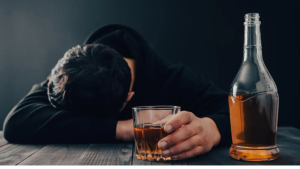
Alcohol addiction is a serious condition that affects not only the individual but also their family, career, and overall well-being. The good news is that alcohol treatment can help people regain control of their lives and move toward long-term recovery. With the right support, care, and professional guidance, overcoming alcohol dependence is possible. What Is Alcohol Addiction? Alcohol addiction, also known as alcohol use disorder (AUD), is a condition where a person becomes physically or psychologically dependent on alcohol. It often leads to health problems, emotional distress, relationship issues, and financial difficulties. Common signs of alcohol addiction include: • Strong cravings for alcohol • Loss of control over drinking habits • Withdrawal symptoms when not drinking • Neglecting responsibilities and relationships • Continued drinking despite negative consequences Importance of Alcohol Treatment Alcohol addiction does not go away on its own. Professional alcohol treatment is essential to address both the physical dependency and the psychological causes of addiction. Early treatment improves recovery outcomes and helps prevent serious health complications such as liver disease, heart problems, and mental health disorders. Types of Alcohol Treatment Programs 1. Medical Detoxification Detox is the first step in alcohol treatment. It involves safely removing alcohol from the body under medical supervision. This process helps manage withdrawal symptoms such as anxiety, sweating, nausea, tremors, and insomnia. 2. Inpatient Alcohol Treatment Inpatient or residential treatment provides 24/7 care in a structured environment. Patients stay at the treatment center and receive: • Medical support • Individual and group therapy • Counseling and behavioral therapy • Healthy routines and lifestyle guidance This option is ideal for severe addiction cases. 3. Outpatient Alcohol Treatment Outpatient treatment allows individuals to live at home while attending scheduled therapy sessions. It is suitable for mild to moderate addiction and for those who have strong family support. 4. Counseling and Therapy Therapy plays a crucial role in alcohol recovery. Common approaches include: • Cognitive Behavioral Therapy (CBT) • Motivational Enhancement Therapy • Family counseling • Group therapy and peer support These therapies help individuals understand triggers, develop coping skills, and prevent relapse. Benefits of Alcohol Treatment • Improved physical and mental health • Better relationships with family and friends • Increased confidence and self-control • Reduced risk of relapse • Long-term sobriety and quality of life Role of Family Support in Recovery Family involvement significantly improves recovery success. Emotional support, encouragement, and understanding from loved ones help individuals stay motivated throughout the treatment journey. Life After Alcohol Treatment Recovery is a lifelong process. After completing alcohol treatment, ongoing care such as follow-up counseling, support groups, and healthy lifestyle changes are essential. Staying connected with recovery communities helps maintain sobriety and prevents relapse.
10 Week Program

Alcohol addiction is a serious condition that affects not only the individual but also their family, career, and overall well-being. The good news is that alcohol treatment can help people regain control of their lives and move toward long-term recovery
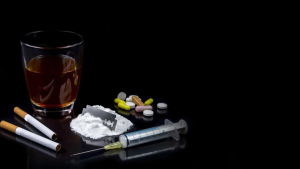
Drug Treatment: A Path to Recovery and a Drug-Free Life Drug addiction is a serious and growing problem that affects individuals, families, and society as a whole. It impacts physical health, mental well-being, relationships, and career stability. Drug treatment provides a structured and medically supported approach to help individuals overcome substance dependence and rebuild a healthy, meaningful life. What Is Drug Addiction? Drug addiction, also known as substance use disorder, is a chronic condition in which a person becomes dependent on drugs—either prescription or illegal substances. Over time, drug use alters brain function, making it difficult to stop without professional help. Common signs of drug addiction include: • Strong cravings and urge to use drugs • Loss of control over drug use • Withdrawal symptoms when stopping drugs • Neglect of work, studies, or family • Behavioral changes and mood swings Why Drug Treatment Is Important Drug addiction cannot be treated through willpower alone. Professional drug treatment addresses both the physical dependency and the psychological reasons behind addiction. Early and proper treatment reduces health risks, prevents relapse, and increases the chances of long-term recovery. Types of Drug Treatment Programs 1. Medical Detoxification Detox is the first and most crucial step in drug treatment. It helps remove harmful substances from the body under medical supervision. Detox manages withdrawal symptoms such as pain, anxiety, nausea, insomnia, and restlessness in a safe and controlled environment. 2. Inpatient Drug Treatment Inpatient or residential drug treatment involves staying at a rehabilitation center full-time. This program offers: • 24/7 medical care • Structured daily routines • Individual and group therapy • Emotional and psychological support It is recommended for severe addiction cases. 3. Outpatient Drug Treatment Outpatient programs allow patients to receive treatment while continuing their daily responsibilities. This option works best for individuals with mild addiction and strong family support.
8 Week Program

Drug addiction is a serious and growing problem that affects individuals, families, and society as a whole. It impacts physical health, mental well-being, relationships, and career stability.
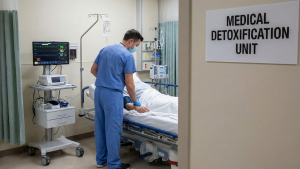
Medical Detoxification: The First Step Toward Safe and Lasting Recovery Medical detoxification is a crucial first step in the treatment of alcohol and drug addiction. It focuses on safely removing harmful substances from the body while managing withdrawal symptoms under professional medical supervision. At SAMARPAN DE-ADDICTION AND REHABILITATION CENTRE, Ghaziabad, medical detox is conducted in a secure, supportive, and controlled environment to ensure patient safety and comfort.
10 Week Program

Medical detoxification is a crucial first step in the treatment of alcohol and drug addiction. It focuses on safely removing harmful substances from the body while managing withdrawal symptoms under professional medical supervision.
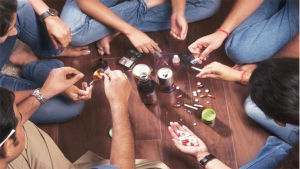
Individual & Group Counseling: Building Strength, Awareness, and Lasting Recovery Individual and group counseling are essential components of successful addiction recovery. They help individuals understand the emotional, psychological, and behavioral factors behind addiction while providing support, guidance, and motivation throughout the healing process. At SAMARPAN DE-ADDICTION AND REHABILITATION CENTRE, Ghaziabad, counseling is designed to promote self-awareness, emotional balance, and long-term sobriety.
8 Week Program

Individual and group counseling are essential components of successful addiction recovery. They help individuals understand the emotional, psychological, and behavioral factors behind addiction while providing support, guidance, and motivation throughout the healing process.